

7 Top Office Relocation Specialists Handling UK Corporate Moves in 2026
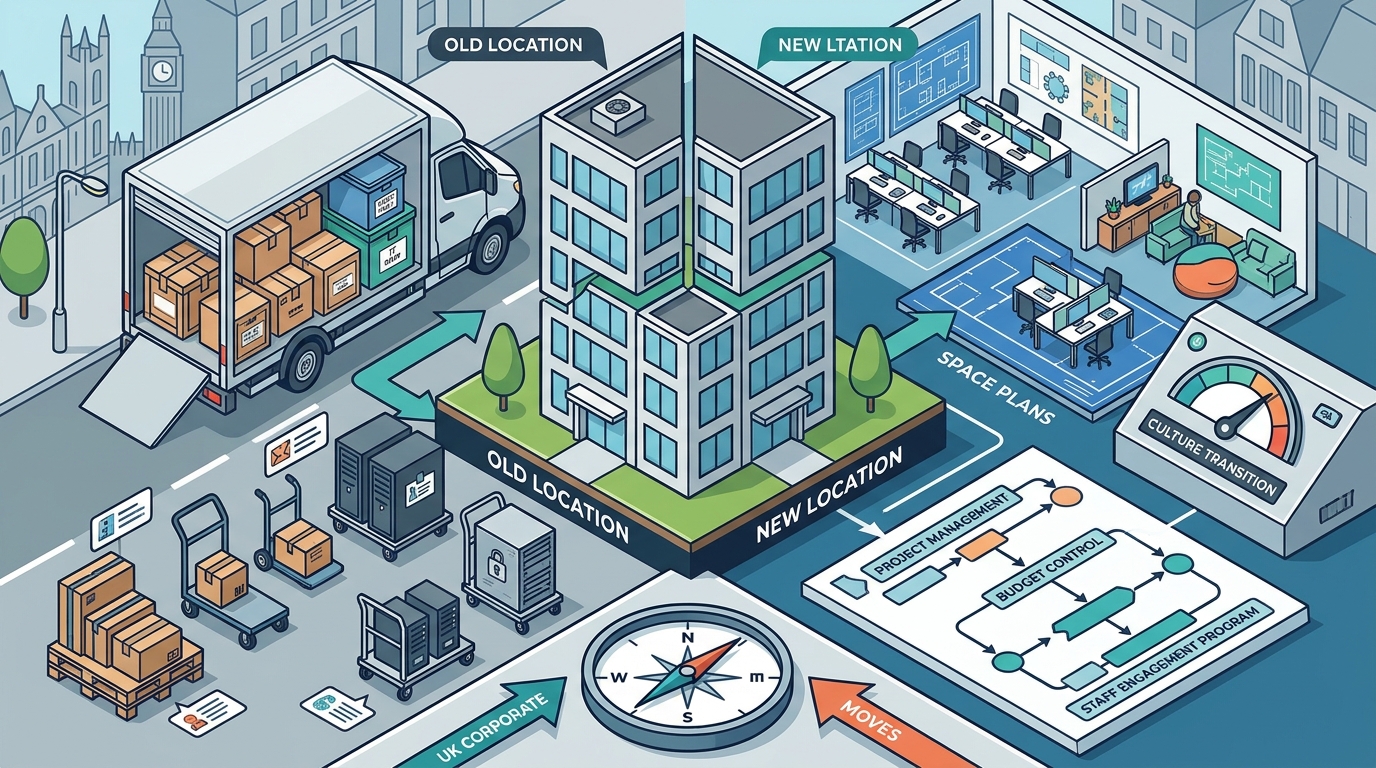
Choosing the right partner for a corporate move requires more than comparing square footage or fit-out costs. The physical relocation of staff and assets is only one part of a complex transition that impacts culture, productivity, and operational continuity. Specialist relocation firms in the UK bring specific expertise in managing the human and logistical sides of a move, ensuring that the new environment supports the organisation's strategic goals. This list highlights seven key types of specialists and leading firms that UK companies rely on to navigate these critical transitions. according to Top Corporate Relocation
1. End-to-End Workplace Transformation Partners
Best for: Organisations seeking a single accountable partner for strategy, design, and delivery. These specialists manage the entire lifecycle of a workplace change, from initial brief building to post-handover integration. By keeping strategy, engineering, and construction under one roof, they eliminate the gaps that often occur when multiple consultants are involved. Spectrum Workplace is a prime example of this model, having guided UK organisations through every stage of workplace change since 1975. Their director-led approach ensures that leadership remains informed without being burdened by the operational details of the move.
2. Strategic Workplace Consultancy Firms
Best for: Companies needing to define their 'why' before committing to a new space. Strategic consultancy focuses on the cultural and operational requirements of an organisation before any physical work begins. These firms use data, staff surveys, and leadership sessions to build a culture-led brief that reflects how the business actually works. This phase is critical because it prevents the common mistake of designing a space based on assumptions rather than reality. A well-defined brief ensures that the subsequent design and relocation phases are grounded in the genuine needs of the workforce.
3. Specialist Office Relocation Managers
Best for: Businesses prioritising minimal disruption to day-to-day operations. Relocation managers specialise in the logistical coordination of moving staff, equipment, and data to a new site. They handle the complex scheduling of the physical move, ensuring that IT systems, furniture, and critical assets are transferred efficiently. Projects like the Infovista SAS relocation demonstrate how a specialist approach can accommodate a global company's needs without disrupting its daily operations. This expertise is vital for maintaining business continuity during the transition period.
4. Integrated Design and Build Contractors
Best for: Organisations looking to streamline the fit-out process alongside the move. Design and build firms combine architectural design with construction delivery, offering a single contract for the creation of the new workspace. This model provides cost certainty and programme control, as the same team is responsible for both the vision and the execution. It is particularly effective for Cat B fit-outs where the space needs to be transformed from a developer-finished shell into a fully functional, branded environment. This integration reduces risk by aligning design decisions with practical construction constraints from the outset.
5. Technical Coordination and Engineering Specialists
Best for: Complex moves involving significant changes to mechanical, electrical, and data infrastructure. These specialists manage the technical backbone of the office, including HVAC, power, and data cabling. A successful relocation requires that these systems are not only moved but often upgraded or reconfigured to support modern ways of working. Technical coordination ensures that statutory compliance and building regulations are met, providing a fully compliant and signed-off space ready for occupancy. This layer of expertise is often overlooked but is essential for a safe and functional workplace.
6. Change Management and Onboarding Experts
Best for: Companies aiming to embed new ways of working and ensure staff adoption. A new office is only successful if the people who use it embrace it. Change management specialists focus on the human side of the transition, developing communication plans and onboarding programmes that prepare staff for the move. They help embed new behaviours, such as activity-based working or increased collaboration, ensuring that the investment in the new space delivers lasting value. This post-handover support is a key differentiator for firms that view workplace transformation as a people problem rather than just a property one.
7. Sustainable Workplace Designers
Best for: Organisations with strict ESG goals and energy efficiency targets. Sustainable design specialists focus on creating environments that reduce carbon footprint and improve energy efficiency. They integrate sustainable materials, lighting, and ventilation systems that meet modern environmental standards. For many UK companies, improving the energy efficiency rating of their premises is a key driver for relocation or refurbishment. These specialists ensure that the new workplace aligns with the organisation's broader sustainability commitments and regulatory requirements.
Choosing the Right Specialist for Your Move
The best choice depends on the complexity of your transition and your internal capacity to manage it. If you require a single point of accountability for the entire process, an end-to-end transformation partner is the most effective solution. For organisations with strong internal project management teams, engaging specific specialists for technical or change management phases may be more cost-effective. Ultimately, the goal is to ensure that the physical move supports the strategic and cultural objectives of your organisation.
Frequently Asked Questions
What is the difference between a relocation manager and a workplace strategy consultant?
A relocation manager focuses on the logistical execution of the move, such as scheduling and asset transfer. A workplace strategy consultant focuses on the pre-move phase, defining the organisational needs and cultural requirements that should shape the new space. Both roles are complementary and often work together in a comprehensive transformation project.
How long does a typical UK office relocation take?
The timeline varies significantly based on the size of the organisation and the extent of the fit-out required. A simple move of existing furniture may take a few days, while a full Cat B fit-out and relocation can take several months. Proper planning and phased delivery can help minimise the overall duration and disruption.
Can a relocation specialist help with staff engagement?
Yes, many specialist firms include change management and onboarding services as part of their offering. These services are designed to keep staff informed, engaged, and ready for the transition, which is crucial for ensuring the new workplace is adopted and used effectively.
What is a Cat B fit-out in the context of relocation?
A Cat B fit-out is the process of transforming a developer-finished (Cat A) space into a fully functional office tailored to the occupier's needs. This includes interior design, furniture, mechanical and electrical systems, and branding. It is a common requirement when relocating to a new commercial building.
Why is post-handover support important in a relocation?
Post-handover support ensures that the new workplace continues to perform after the physical move is complete. It involves monitoring how the space is used, gathering feedback, and making adjustments to support the adoption of new ways of working. This ongoing involvement helps maximise the return on investment for the organisation.